$('.navlist').one('mouseenter', function(event) { $('.dropdown-container').each(function(index, el) { var image = $(this).find('.get-image').attr('data-image'); $(this).find('.set-image').removeClass('lazyloaded').addClass('lazyload').attr('data-src', image); }); }); $('.dropdown-container').on('mouseenter', '.get-image', function(event) { var image = $(this).attr('data-image'), image2 = $(this).parents('.dropdown-container').find('.set-image'); image2.attr('src', image); });

Upcycling: Turn Old into New for Your Home & Garden

Reading time: approx. 8 min.  ·  Last updated: 6 October 2026  ·  By Home Deluxe Editorial Team

In short: Upcycling transforms old items into something better instead of throwing them away. It saves money, reduces waste and brings unique, individual pieces into your home and garden. We show you which materials work best, practical ideas to try yourself and why repairing is often the smarter choice.
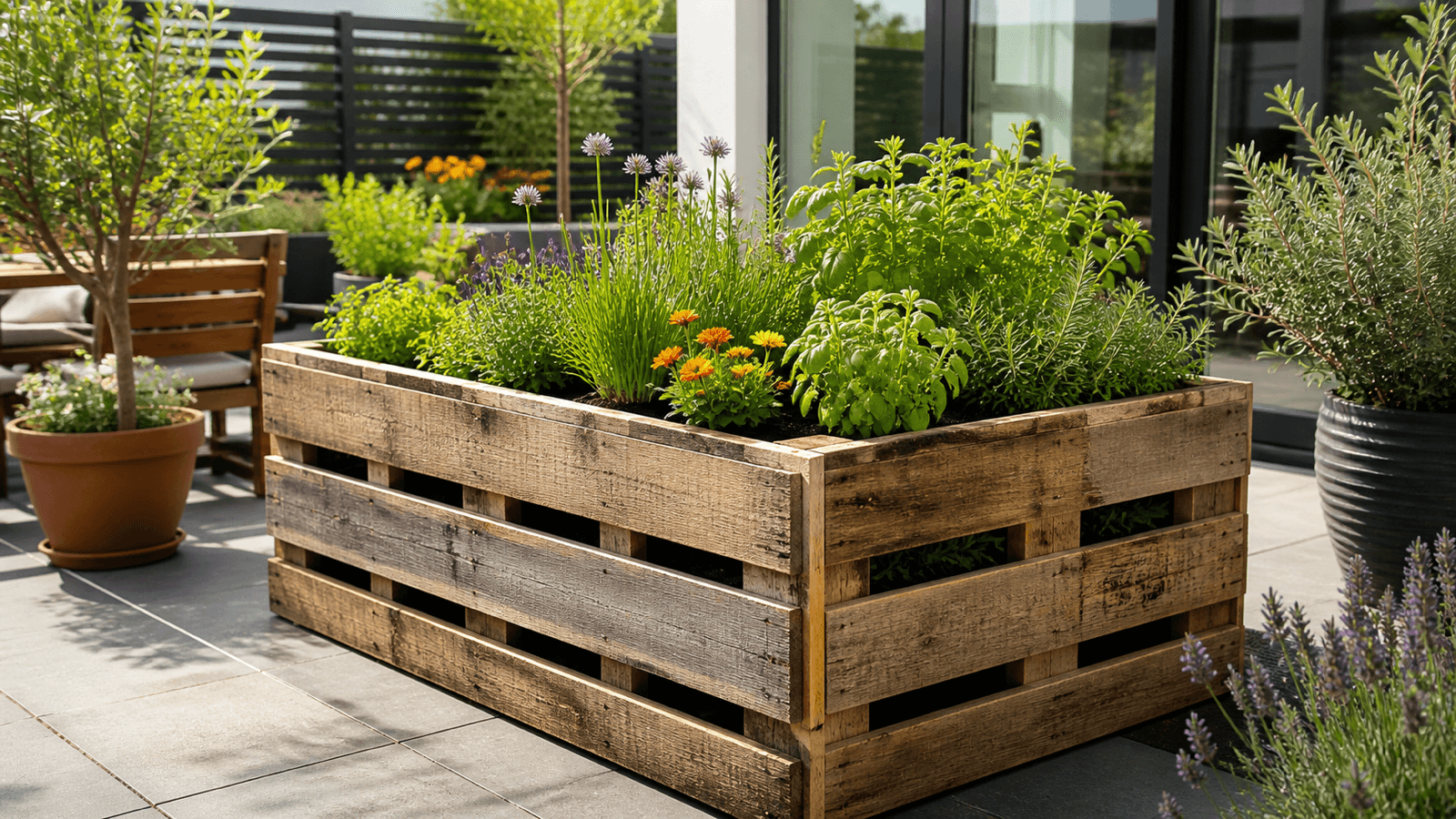
Upcycling in the garden – raised bed made from old wooden pallets with herbs and flowers

An old wine crate becomes a wall shelf, discarded pallets are turned into a raised bed and a wobbly chair gets a second life as a plant stand: that is upcycling. Instead of throwing things away, you creatively transform and improve them – adding character, history and individuality without relying on mass-produced furniture. In this guide, you will discover exactly what upcycling means, which materials are best suited to it and how to get started with simple projects for your garden and home. And because the most sustainable option is often what you already own, we also explain why repairing can often make more sense than buying something new.

Key Facts at a Glance

  • Upcycling means adding value: Old items are transformed into something more valuable – unlike recycling, the material remains intact rather than being broken down.
  • Better for the environment: Each person in Germany uses around 16 tonnes of raw materials per year – reusing items can noticeably reduce this demand.
  • Saves money: An upcycled piece of furniture often costs only a fraction of the price of buying new.
  • The best materials: Wood, metal, glass and textiles are particularly easy to transform and repurpose.
  • Repairing counts too: Restoring a faulty product instead of replacing it is one of the most consistent forms of upcycling.

What Is Upcycling?

The term upcycling combines the idea of “up” with recycling. It means transforming used or seemingly worthless materials into products with greater value, better quality or a new purpose. An old ladder becomes a bookshelf, a wooden barrel turns into a side table – the original material is preserved and given a new function.

It is important to distinguish upcycling from related concepts:

  • Recycling: The material is broken down and processed into a new raw material, such as waste paper being turned into new paper. This requires energy.
  • Downcycling: The resulting material is of lower quality than the original, such as plastic that can only be reused for products like park benches.
  • Upcycling: The result is of equal or greater value – ideally with minimal energy use and plenty of creativity.
💡 Tip: Upcycling does not have to be complicated. A fresh coat of paint, new handles or a creative new use can often be enough to give an item a second life.

Why Upcycling Is Worth It – the Numbers

Upcycling is more than just a DIY trend – it can make a real difference. Our consumption uses enormous amounts of resources: according to the German Environment Agency, raw material consumption in Germany is around 16 tonnes per person per year. Furniture, meanwhile, is discarded as bulky waste after an average of around 15 years, even though some pieces are still in perfectly usable condition.

Three Good Reasons

  • Environment & resources: Germany generates around 2 million tonnes of electronic waste every year – approximately 23 kilograms per person – while only around 20% of electronic waste worldwide is properly recycled. Every product that stays in use for longer is one less product that needs to be newly manufactured.
  • Your wallet: Creatively transforming a second-hand piece of furniture usually costs little more than the materials and some of your time – often just a fraction of the cost of buying new. Repairs are also frequently much cheaper than replacing an appliance altogether.
  • Individuality: Upcycled pieces are unique. You choose the colour, shape and story yourself – creating interiors that truly are one of a kind.
⚠️ Good to know: Old electrical appliances can contain hazardous substances such as lead or mercury. Anything that cannot be repaired or repurposed should be taken to an appropriate recycling centre – never placed in general household waste.

Which Materials Are Suitable for Upcycling?

In principle, almost anything can be upcycled – but some materials are especially suitable because they are robust and easy to work with. The overview below shows what you can create with different materials and how demanding each type of project is.

Materials Overview
Which Materials Work Well for Upcycling?
🪵 Wood
SuitabilityVery good
DifficultyEasy–moderate
IdeasShelves, raised beds, planters
⚙️ Metal & Corten Steel
SuitabilityGood
DifficultyModerate
IdeasPrivacy screens, décor, fire pits
🍾 Glass & Ceramics
SuitabilityGood
DifficultyEasy
IdeasVases, lanterns, herb jars
🧵 Textiles & Leather
SuitabilityGood
DifficultyEasy
IdeasCushions, bags, upholstery
♻️ Plastic
SuitabilityLimited
DifficultyEasy
IdeasPlanters, storage boxes

Upcycling Ideas for Your Garden & Home

You do not need a workshop to get started. These ideas require only a few basic tools – and if you do not have the right item to repurpose, Home Deluxe offers durable alternatives with the same natural-material character.

  • Raised bed from pallets: Old Euro pallets can be turned into a raised bed or herb bench. If you prefer a ready-made solution, combine it with a WALENA Eco greenhouse for growing young plants.
  • Wine crate as a wall shelf: Once oiled and fixed to the wall, it can hold herb pots, books or small decorative items.
  • Make firewood part of the décor: Instead of loose stacks, an ANTARES log store with a rust-effect finish combines practical storage with a decorative look.
  • Old door as a privacy screen: Disused doors or shutters can become attractive room dividers or garden screens. For a permanent solution, an AURA Corten steel privacy screen develops a natural patina over time.
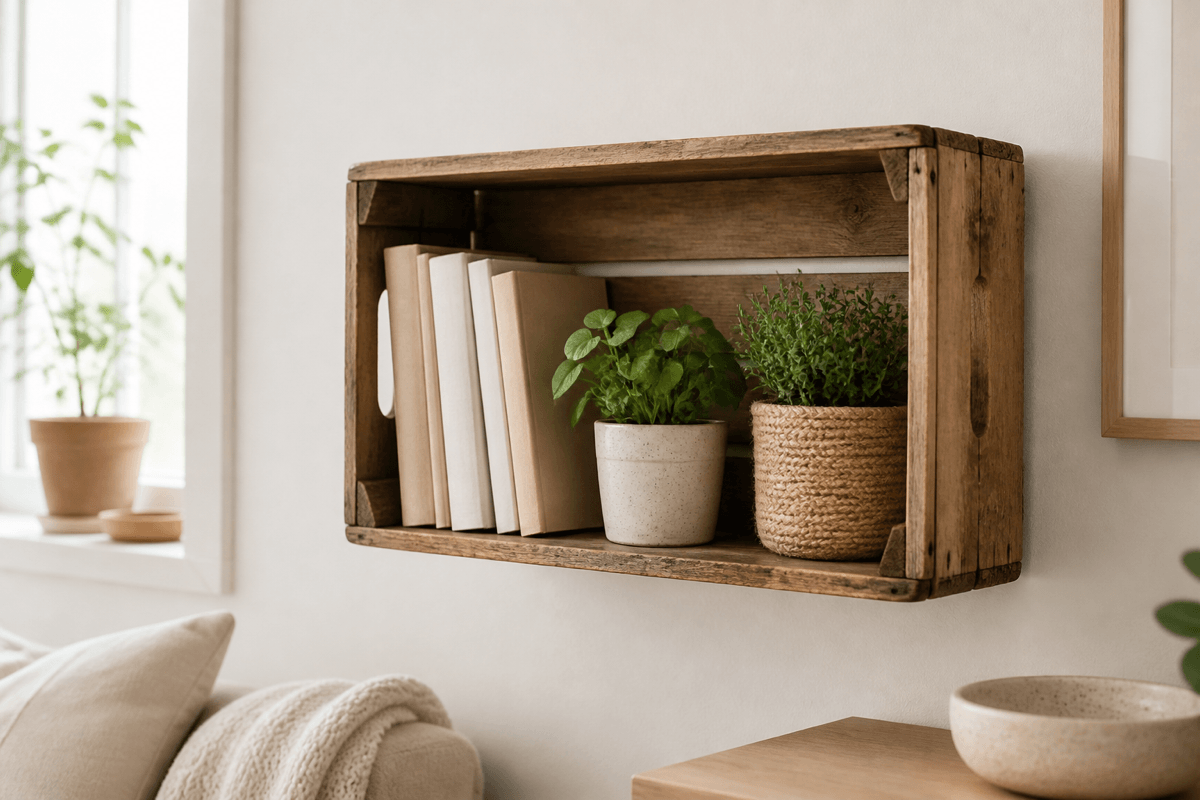
DIY upcycling – old wine crate used as a wall shelf with plants and books

Seating can also be designed with multiple functions in mind: an ORELIA privacy bench with storage combines seating, storage and planting – perfectly reflecting the upcycling idea of giving one piece of furniture several purposes. You can find more inspiration and materials in our garden range.

Materials with Character – Made to Last, Not Throw Away

Repair Instead of Replace: The Craftsmanship Approach

The most consistent form of upcycling is not replacing a product in the first place. In our workshop, faulty products are given a second life – from hot tubs to lawnmowers. Instead of buying new, the process follows three clear steps: fault diagnosis, professional repair and refurbishment, followed by a final quality check.
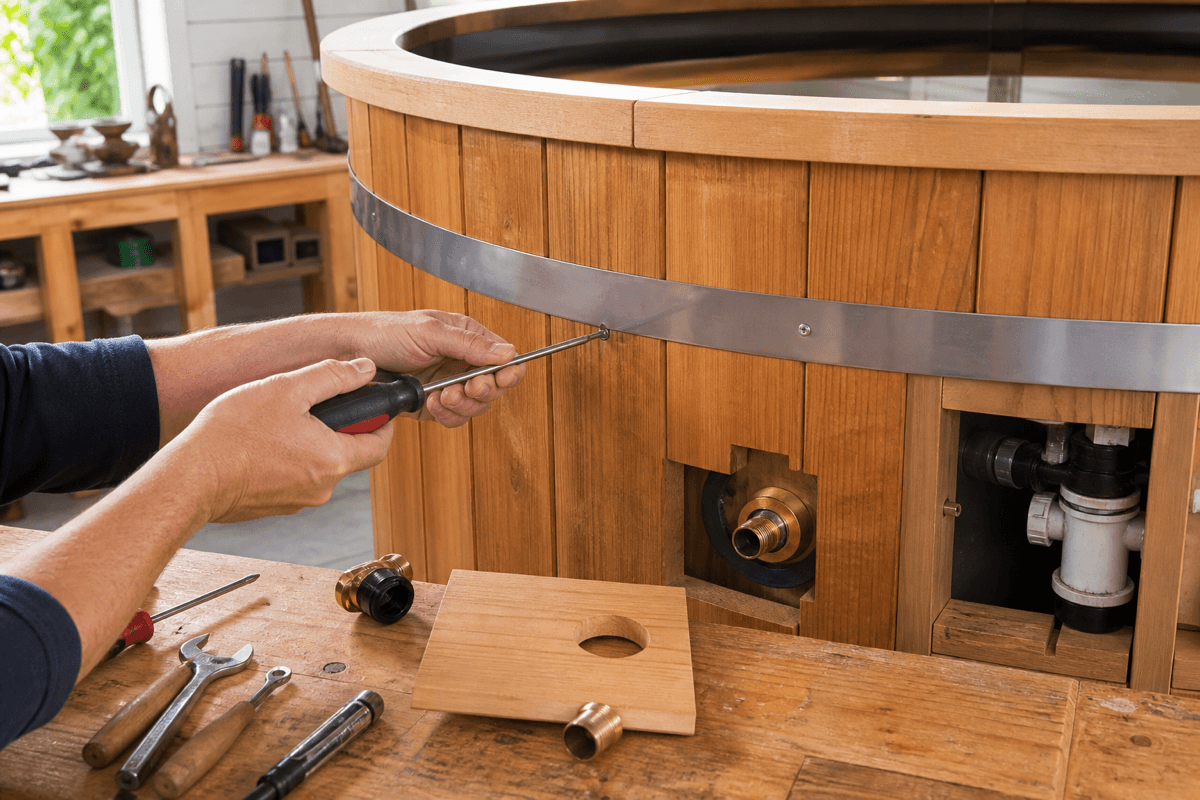
Specialist repairing a hot tub in the workshop instead of disposing of it

The same principle applies when buying something new: choosing durable products means replacing them less often. A sturdy LEVANTO garden shed protects tools for years, a CLARA LED solar light works without cables or electricity costs, and a timeless ALEVIO rocking chair is designed to stay in use for a long time rather than being quickly replaced.

Sustainable & Green in the Garden

Your First Project Step by Step

The best way to start is small. These five steps will guide you through your first upcycling project:

  1. Choose your item: Look for something that is still structurally sound but has become dated or worn in appearance.
  2. Decide on a new purpose: Think about which new function would make sense. Less is often more.
  3. Clean & prepare: Clean the surface, sand it down and secure any loose parts – good preparation makes all the difference to the final result.
  4. Transform it: Paint or oil the surface, add new handles or fit castors. If the item will be used outdoors, make sure you choose weather-resistant materials.
  5. Put it in place & enjoy: Start using your unique piece – and when you come across the next “old” item, think about how you could give that a second life too.
💡 Tip: For outdoor projects, a weather-resistant paint or protective oil is well worth using – it helps your upcycled piece withstand both rain and sunshine.

Frequently Asked Questions (FAQ)

What is the difference between upcycling and recycling?
With recycling, a material is broken down and processed into a new raw material, which requires energy. With upcycling, the original item is kept intact and creatively transformed into something of greater value – for example, turning an old ladder into a shelving unit.
Which materials are best for upcycling?
Wood, metal, glass and textiles are particularly suitable. Wood is easy to work with, metal and Corten steel are very durable, while glass and textiles are also beginner-friendly. Plastic is especially useful for simple projects such as planters.
Is upcycling financially worthwhile too?
Yes. Upcycling a used item usually costs little more than the materials and some of your time, making it significantly cheaper than buying new. Repairs are also generally less expensive than replacing an appliance altogether.
Can faulty garden equipment or a hot tub be repaired instead of replaced?
Often, yes. In our workshop, faulty products ranging from hot tubs to lawnmowers are assessed, professionally repaired and tested. This is one of the most consistent forms of upcycling and helps conserve both resources and money.
What is the best upcycling project for a beginner?
Start with a small, sturdy item and a simple idea – for example, turning a wine crate into a wall shelf or glass jars into lanterns. Cleaning, sanding and then painting or oiling the item is often all you need for a first project.

Conclusion: Turning Old into New Is Always Worthwhile

Upcycling is good for the environment, your wallet and your own personal style. Whether it is a DIY project made from pallets, a fresh coat of paint for a favourite piece of furniture or repairing a much-loved appliance, every item that stays in use for longer is a win. And if something new does need to move in, it is best to choose something durable and timeless.

Feeling inspired? Discover durable ideas for outdoor living in our garden range.

Get €10 Off

Sign up for our newsletter and save €10 on your next order when you spend €150 or more.

Sign Up for the Newsletter
Our partners for sustainable development
Newsletter
Yes, I want to stay up to date with new products, news and offers. Please send me a newsletter.
I hereby confirm that I have read the Privacy policy. I can revoke my consent at any time.
Your 10€ welcome discount

With our newsletter you are always up to date! And as a thank you for subscribing to our newsletter, you will receive a €10 voucher for your next purchase.***

You agree that your data will be used to send you our newsletter. The newsletter can be cancelled at any time. Further information and cancellation notices can be found in our privacy policy.

function hideNLpop() { localStorage.setItem('showNLpop', 'false'); $('.nl-pop').removeClass('is-visible'); } function placeholder() { $('.nl-pop input[type="email"]').attr('placeholder','Your e-mail address'); $('.nl-pop button[type="button"]').text('Register now'); $('.nl-pop form label[for^="email-input-id_"], .nl-pop form .row .col-12.text-right.small.mt-2').remove(); } if(!localStorage.getItem('showNLpop')) { setTimeout(function () { $('.nl-pop').addClass('is-visible'); }, 8000); } setTimeout(function () { placeholder() }, 7990);
Location, language and currency settings
Select your delivery country to view the corresponding shipping costs and delivery times.
 Country of delivery
 Language (EN)
  German   Bulgarian   French   Italian   Spanish   Turkish   Dutch   Polish   Portuguese   Norwegian   Romanian   Danish   Swedish   Czech