$('.navlist').one('mouseenter', function(event) { $('.dropdown-container').each(function(index, el) { var image = $(this).find('.get-image').attr('data-image'); $(this).find('.set-image').removeClass('lazyloaded').addClass('lazyload').attr('data-src', image); }); }); $('.dropdown-container').on('mouseenter', '.get-image', function(event) { var image = $(this).attr('data-image'), image2 = $(this).parents('.dropdown-container').find('.set-image'); image2.attr('src', image); });

Growing Vegetables for Beginners: How to Start Your Own Kitchen Garden

Reading time: approx. 8 min.  ·  Last updated: 28 July 2026  ·  By Home Deluxe Editorial Team

In short: Growing your own vegetables is easier than you might think. With a sunny location, good soil, a few easy-care varieties and the right growing space – whether a bed, balcony or greenhouse – you can harvest your first home-grown vegetables in just a few weeks.
Freshly harvested vegetables in a sunny beginner-friendly vegetable bed

Fresh vegetables from your own garden taste better, can be more sustainable and bring a real sense of achievement. Many people assume growing vegetables is complicated, but you do not need green fingers or lots of space to get started. With the right varieties, a little planning and a few basic principles, your first home-grown vegetables can be surprisingly easy. In this guide, we show you step by step how to get started as a beginner – from choosing the right location and the easiest varieties to harvesting your first crop.

Key Facts at a Glance

  • Sunshine is essential: Most vegetables need around 4–6 hours of sunlight per day.
  • Good soil makes all the difference: Loose, humus-rich and nutrient-rich soil gives your plants the best start.
  • Start small: It is better to begin with a few easy-care crops such as radishes, lettuce and herbs than to take on too much at once.
  • Choose the right growing space: A garden bed, balcony planter or greenhouse can all work well.
  • Quick first harvest: Radishes are often ready to harvest after just 4–6 weeks.

Why Growing Your Own Vegetables Is Worth It

Growing your own vegetables has plenty of benefits – and you can notice them from the very first year. You know exactly what goes into your food, reduce packaging and long transport distances, and have fresh ingredients right on your doorstep. Gardening can also be a relaxing way to spend more time outdoors.

  • Freshness & flavour: Vegetables picked straight from the garden can taste more aromatic than shop-bought produce.
  • Full control: You decide which varieties to grow and how you use fertilisers and plant protection products.
  • More sustainable: Less plastic packaging and fewer transport miles.
  • Affordable & educational: One packet of seeds can provide a whole season of harvests – and it is a great project for children too.

Choosing the Right Location & Soil

Before sowing your first seeds, take a good look at your garden or balcony: where does it get the most sun? Most vegetables prefer a bright, warm spot with at least four to six hours of direct sunlight per day. A sheltered position is also beneficial – a privacy screen or hedge can help create a more favourable microclimate.

How to Prepare Good Soil

  • Loose & crumbly: Roots need air, so loosen compacted soil thoroughly before planting.
  • Rich in humus: Mature compost or good-quality organic vegetable compost provides valuable nutrients.
  • Moist, not waterlogged: Avoid standing water and make sure excess moisture can drain away.
  • For containers: Use high-quality potting compost and make sure every container has a drainage hole.
Hands loosening dark, humus-rich garden soil in a sunny vegetable bed

Garden Bed, Balcony or Greenhouse?

You do not need a large garden – just the right growing space:

  • Garden bed: Plenty of space and natural soil – ideal for lettuce, radishes, beans and courgettes.
  • Balcony & patio: Pots and containers are enough for herbs, tomatoes and cut-and-come-again lettuce.
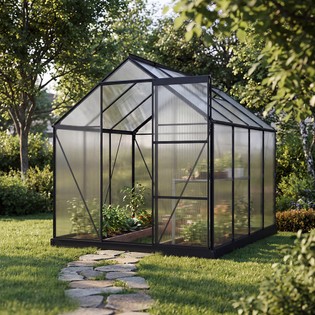
  • Greenhouse: A longer growing season, protection from the weather and a more stable climate.

A greenhouse makes growing more predictable and helps heat-loving crops such as tomatoes ripen more reliably. For smaller gardens, a space-saving option is a lean-to greenhouse such as the YANA GREEN from Home Deluxe – compact, weather-resistant and quick to assemble.

💡 Tip: If you are building or repairing a greenhouse yourself, twin-wall polycarbonate sheets and a sturdy ground anchoring system provide a solid foundation.

Greenhouse Essentials: The Foundation for Successful Growing

The Best Vegetables for Beginners

When you are just starting out, easy-care crops are better than demanding ones. These varieties grow quickly, forgive small mistakes and give you visible results early on. The overview below shows the ideal location, sowing period, first harvest and difficulty level at a glance.

Beginner-Friendly Vegetables at a Glance
6 Easy Crops for Your First Growing Season
🌱 Radishes
PositionSun–partial shade
SowingMarch–September
First harvestafter 4–6 weeks
Difficulty●●●
🥬 Cut-and-Come-Again Lettuce
PositionSun–partial shade
SowingMarch–September
First harvestafter 6–8 weeks
Difficulty●●●
🌿 Herbs
PositionSun–partial shade
Sowingfrom April
First harvestongoing
Difficulty●●●
🫛 Dwarf French Beans
PositionSunny
SowingMay–June
First harvestafter 8–10 weeks
Difficulty●●●
🍅 Tomatoes
PositionSunny, sheltered
Sowingstart indoors from March
First harvestfrom July
Difficulty●●●
🥒 Courgettes
PositionSunny, nutrient-rich
Sowingfrom May
First harvestfrom July
Difficulty●●●

Heat-loving crops such as tomatoes and peppers benefit from being grown in a greenhouse, where they can ripen more reliably and continue producing for longer.

Sowing, Care & Watering: The Basics

Young vegetable plants in a garden bed being watered with a watering can
  • Do not sow too deeply: As a general rule, sow seeds roughly as deep as the seed itself is thick.
  • Keep the right spacing: Plants placed too close together compete for light and nutrients.
  • Water regularly but sensibly: A thorough watering in the morning is usually better than giving plants a little water every day.
  • Use mulch: A thin layer helps keep the soil moist and reduces weed growth.
💡 Tip: Climbing crops such as runner beans and cucumbers need support as they grow. A wooden garden arch gives them something to climb while also adding an attractive feature to your vegetable garden.

Structure & Atmosphere for Your Kitchen Garden

Avoiding Common Beginner Mistakes

Most setbacks in your first year of growing have simple causes. If you know these three common mistakes, you are already at an advantage:

⚠️ Overwatering: Constantly wet soil can cause roots to rot. Only water once the top layer of soil has started to dry out.
⚠️ Planting too closely: Ignoring the recommended spacing can lead to smaller plants and increase the risk of fungal diseases. Follow the spacing instructions on the seed packet.
⚠️ Moving plants outside too early: Wait until the risk of late frost has passed before putting heat-loving crops outdoors – otherwise they may suffer frost damage.

Harvest & Enjoy

The best moment of all is your first home-grown harvest. It is usually best to pick vegetables in the morning, when they are at their freshest and crispest. With many crops, the rule is simple: the more often you harvest, the more they keep producing. Cut-and-come-again lettuce and courgettes, for example, reward regular picking with a steady supply.

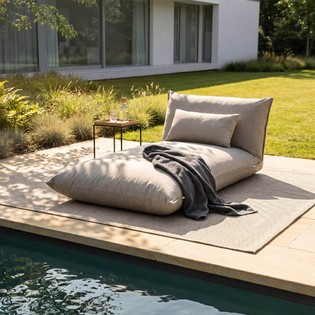
And once the work is done? Sit back and enjoy it. A comfortable spot surrounded by greenery completes the kitchen garden – perhaps a garden bench beside the vegetable bed or a garden seating set on the patio for a meal made with your freshly harvested produce.

Basket of freshly harvested vegetables on a wood-effect garden table

Enjoy the Harvest: Garden Furniture for Your Green Retreat

Frequently Asked Questions (FAQ)

Which vegetables are best for beginners?
Fast-growing, easy-care crops such as radishes, cut-and-come-again lettuce and herbs are ideal. Dwarf French beans, courgettes and tomatoes are also good choices for beginners. They forgive small mistakes and provide visible results fairly quickly.
Do I need a garden, or is a balcony enough?
A balcony or patio is absolutely enough. Herbs, tomatoes and cut-and-come-again lettuce grow well in pots, containers and window boxes filled with good-quality compost and fitted with drainage holes. The most important factor is a sunny location.
When is the best time to start growing vegetables?
Many crops can be sown from March onwards. Radishes and lettuce can go directly into the ground early in the season, while heat-loving crops such as tomatoes and courgettes should only be moved outdoors once the risk of late frost has passed, usually around mid-May in much of Central Europe. A greenhouse allows you to start earlier and harvest for longer.
How often should I water vegetables?
It is usually better to water less often but more thoroughly, ideally in the morning. Water once the top layer of soil begins to dry out. Waterlogging can damage roots more than short dry periods. Pots and containers dry out more quickly and may need more frequent watering during hot weather.
Is a greenhouse worthwhile for beginners?
Yes. A greenhouse extends the growing season, protects plants from wind and weather and creates a more stable growing environment. For smaller gardens, a space-saving lean-to greenhouse such as the YANA GREEN from Home Deluxe can be a practical, low-maintenance solution.

Conclusion: Start Simple & Enjoy the Results

Growing your own vegetables is easier than you might think. With a sunny location, good soil and a few easy-care varieties, you can harvest your first home-grown vegetables within just a few weeks – whether you are growing them in a garden bed, on a balcony or in a greenhouse. Start small, gain experience and expand your kitchen garden season by season.

You can find the right equipment at Home Deluxe – from a lean-to greenhouse to a comfortable selection of garden furniture.

Discover Our Garden Range

Get €10 Off

Sign up for our newsletter and save €10 on your next order when you spend €150 or more.

Sign Up for the Newsletter
{ "@context": "https://schema.org", "@graph": [ { "@type": "BlogPosting", "@id": "https://www.homedeluxe.de/en/news-and-trends/garden/growing-vegetables-for-beginners/#article", "mainEntityOfPage": { "@type": "WebPage", "@id": "https://www.homedeluxe.de/en/news-and-trends/garden/growing-vegetables-for-beginners/" }, "headline": "Growing Vegetables for Beginners: How to Start Your Own Kitchen Garden", "description": "Growing vegetables made easy: discover the right location and soil, the best beginner-friendly crops, basic care tips and greenhouse advice for your first harvest.", "image": "https://cdn02.plentyone.com/emoguafh21bo/frontend/BLOG/Gemuese_anbauen/gemuese-anbauen_titelbild.png", "inLanguage": "en-GB", "datePublished": "2026-07-28T09:00:00+02:00", "dateModified": "2026-07-28T09:00:00+02:00", "author": { "@type": "Organization", "name": "Home Deluxe Editorial Team", "url": "https://www.homedeluxe.de/en/shop/our-team/" }, "publisher": { "@type": "Organization", "name": "Home Deluxe GmbH", "url": "https://www.homedeluxe.de/en/", "logo": { "@type": "ImageObject", "url": "https://cdn02.plentyone.com/emoguafh21bo/frontend/BLOG/Allgemein/HD_logo.jpg" } } }, { "@type": "FAQPage", "@id": "https://www.homedeluxe.de/en/news-and-trends/garden/growing-vegetables-for-beginners/#faq", "mainEntity": [ { "@type": "Question", "name": "Which vegetables are best for beginners?", "acceptedAnswer": { "@type": "Answer", "text": "Fast-growing, easy-care crops such as radishes, cut-and-come-again lettuce and herbs are ideal. Dwarf French beans, courgettes and tomatoes are also good choices for beginners. They forgive small mistakes and provide visible results fairly quickly." } }, { "@type": "Question", "name": "Do I need a garden, or is a balcony enough?", "acceptedAnswer": { "@type": "Answer", "text": "A balcony or patio is absolutely enough. Herbs, tomatoes and cut-and-come-again lettuce grow well in pots, containers and window boxes filled with good-quality compost and fitted with drainage holes. The most important factor is a sunny location." } }, { "@type": "Question", "name": "When is the best time to start growing vegetables?", "acceptedAnswer": { "@type": "Answer", "text": "Many crops can be sown from March onwards. Radishes and lettuce can go directly into the ground early in the season, while heat-loving crops such as tomatoes and courgettes should only be moved outdoors once the risk of late frost has passed, usually around mid-May in much of Central Europe. A greenhouse allows you to start earlier and harvest for longer." } }, { "@type": "Question", "name": "How often should I water vegetables?", "acceptedAnswer": { "@type": "Answer", "text": "It is usually better to water less often but more thoroughly, ideally in the morning. Water once the top layer of soil begins to dry out. Waterlogging can damage roots more than short dry periods. Pots and containers dry out more quickly and may need more frequent watering during hot weather." } }, { "@type": "Question", "name": "Is a greenhouse worthwhile for beginners?", "acceptedAnswer": { "@type": "Answer", "text": "Yes. A greenhouse extends the growing season, protects plants from wind and weather and creates a more stable growing environment. For smaller gardens, a space-saving lean-to greenhouse such as the YANA GREEN from Home Deluxe can be a practical, low-maintenance solution." } } ] } ] }
Our partners for sustainable development

Newsletter
Yes, I want to stay up to date with new products, news and offers. Please send me a newsletter.
I hereby confirm that I have read the Privacy policy. I can revoke my consent at any time.
Your 10€ welcome discount

With our newsletter you are always up to date! And as a thank you for subscribing to our newsletter, you will receive a €10 voucher for your next purchase.***

You agree that your data will be used to send you our newsletter. The newsletter can be cancelled at any time. Further information and cancellation notices can be found in our privacy policy.

function hideNLpop() { localStorage.setItem('showNLpop', 'false'); $('.nl-pop').removeClass('is-visible'); } function placeholder() { $('.nl-pop input[type="email"]').attr('placeholder','Your e-mail address'); $('.nl-pop button[type="button"]').text('Register now'); $('.nl-pop form label[for^="email-input-id_"], .nl-pop form .row .col-12.text-right.small.mt-2').remove(); } if(!localStorage.getItem('showNLpop')) { setTimeout(function () { $('.nl-pop').addClass('is-visible'); }, 8000); } setTimeout(function () { placeholder() }, 7990);
Location, language and currency settings
Select your delivery country to view the corresponding shipping costs and delivery times.
 Country of delivery
 Language (EN)
  German   Bulgarian   French   Italian   Spanish   Turkish   Dutch   Polish   Portuguese   Norwegian   Romanian   Danish   Swedish   Czech