
$('.navlist').one('mouseenter', function(event) { $('.dropdown-container').each(function(index, el) { var image = $(this).find('.get-image').attr('data-image'); $(this).find('.set-image').removeClass('lazyloaded').addClass('lazyload').attr('data-src', image); }); }); $('.dropdown-container').on('mouseenter', '.get-image', function(event) { var image = $(this).attr('data-image'), image2 = $(this).parents('.dropdown-container').find('.set-image'); image2.attr('src', image); });

Sustainable Living: Recycling, Repair & Durability

Reading time: approx. 7 min.  ·  Last updated: 2 October 2026  ·  By Home Deluxe Editorial Team

In short: Sustainable living is not about going without, but about consuming more wisely – repairing instead of replacing, choosing quality over disposable products and recycling valuable materials correctly. This benefits both the environment and your wallet, and it starts with every purchasing decision you make.

Bright, sustainably furnished living room with solid wood furniture and houseplants

Germany alone generates around 362.7 million tonnes of waste every year – while electronic waste is accumulating worldwide faster than it can be recycled. The good news is that one of the most effective ways to make a difference starts at home. By shopping consciously, repairing items instead of replacing them and separating recyclable materials correctly, you can save money while reducing your environmental impact. In this guide, we show you how sustainable living can work in everyday life – from making better purchasing decisions and carrying out repairs to recycling properly.

Key Facts at a Glance

  • Repair beats replacement: Repairing an appliance saves money and helps prevent unnecessary electronic waste – only around 22% of which is properly recycled worldwide.
  • Quality is one of the best forms of environmental protection: Durable furniture made from solid wood or metal needs replacing less often, helping to conserve resources for decades.
  • Sorting waste properly pays off: Separating recyclable materials correctly helps keep them in circulation. In Germany, around 82% of waste is already recovered.
  • Second life instead of landfill: Passing items on, donating them or buying second-hand extends their useful life and reduces the need for new production.
  • Buy consciously: Before buying something new, ask yourself, “Do I really need this?” – and check whether the product can be repaired and whether spare parts are available.

The Numbers: Why Sustainable Living Is Worth It

The statistics show just how much potential there is in our households. In 2022, around 62 million tonnes of electronic waste were generated worldwide – an increase of 82% compared with 2010. Only 22.3% of this was properly collected and recycled. In Europe, the rate is higher at 42.8%, but it is still far from the target.

There is still plenty of room for improvement in Germany too: in 2023, around 906,000 tonnes of waste electrical and electronic equipment were collected – equivalent to a collection rate of just 29.5%, even though a minimum rate of 65% has been legally required since 2019. Every appliance that is not returned means valuable raw materials such as copper, aluminium and rare metals are lost.

When it comes to overall waste, however, there is at least a positive trend: in 2024, Germany’s total waste volume fell by 4.6% to 362.7 million tonnes. Of this, 49.3 million tonnes came from municipal waste generated by households. Encouragingly, 82% of all waste was recovered, with more than two thirds of it materially recycled – in other words, genuinely returned to the materials cycle. This is exactly where sustainable living comes in: every conscious decision you make at home can help improve this balance.

How the Circular Economy Works

Sustainability follows a simple order of priorities: the best waste is the waste that is never created in the first place. Only when one option is no longer possible should you move on to the next. These five steps can help you make more sustainable choices in everyday life.

The 5 Stages of the Circular Economy
From “do not buy it in the first place” to “recycle it”
🚫 1. Avoid
The most sustainable product is the one you do not buy. Before every purchase, ask yourself: Do I really need this?
📉 2. Reduce
Buy less, but buy better. Choose quality and durability over short-lived disposable products.
♻️ 3. Reuse
Give products a second life: pass them on, donate them, sell them or choose second-hand items yourself.
🔧 4. Repair
A fault does not always mean the end of a product’s life. A repair can often extend its lifespan by years – and is usually cheaper than buying a replacement.
🗑️ 5. Recycle
When an item really can no longer be used or repaired, separate recyclable materials correctly so they can be returned to the materials cycle.

Furniture & Interiors: Buy Well Once

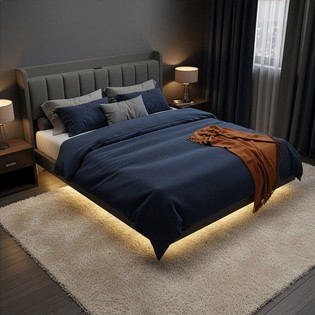
One of the biggest factors in sustainable living is how long your furniture lasts. A bed or armchair that serves you for 20 years is almost always more sustainable than three cheaper alternatives that end up as bulky waste after only a short time. Look for solid materials such as solid wood, durable upholstery and high-quality workmanship – as well as a timeless design that you will still enjoy in ten years’ time.

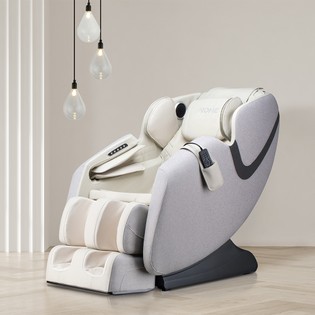
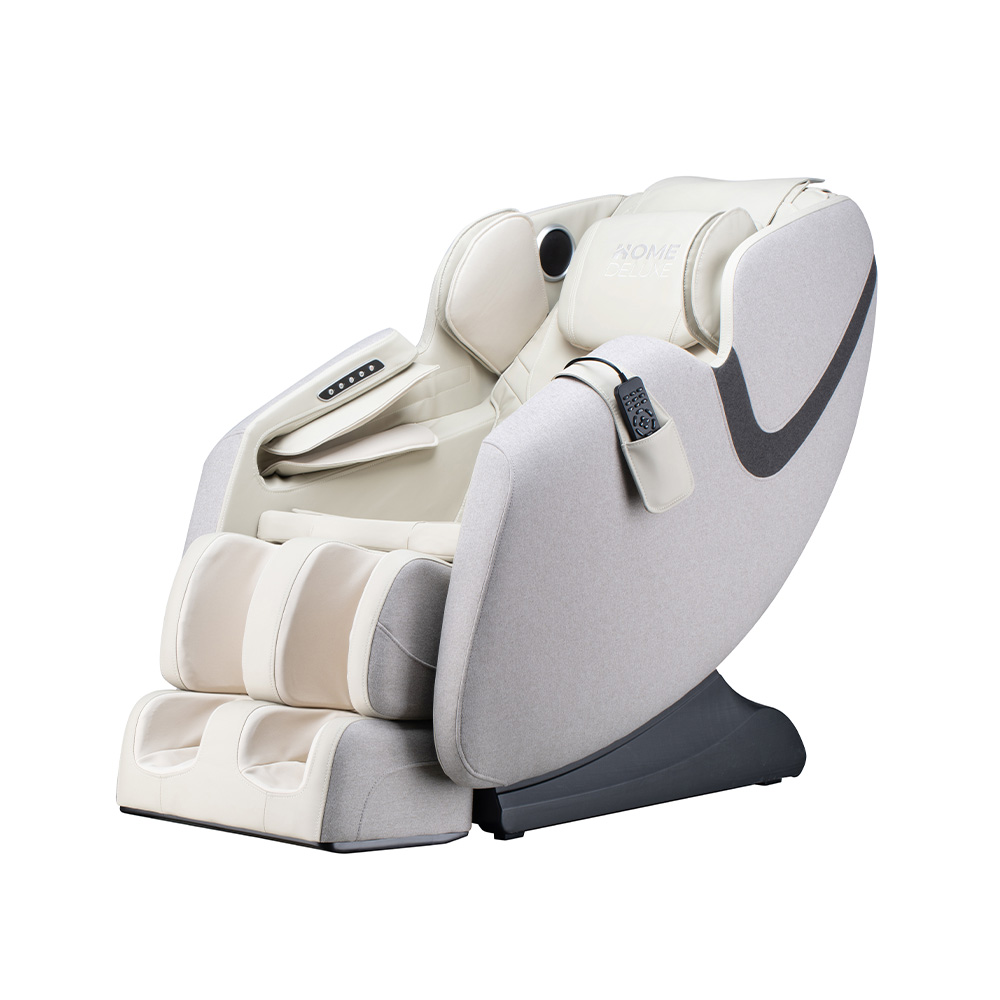
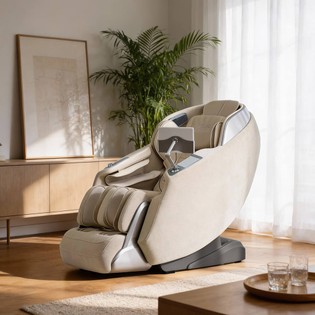
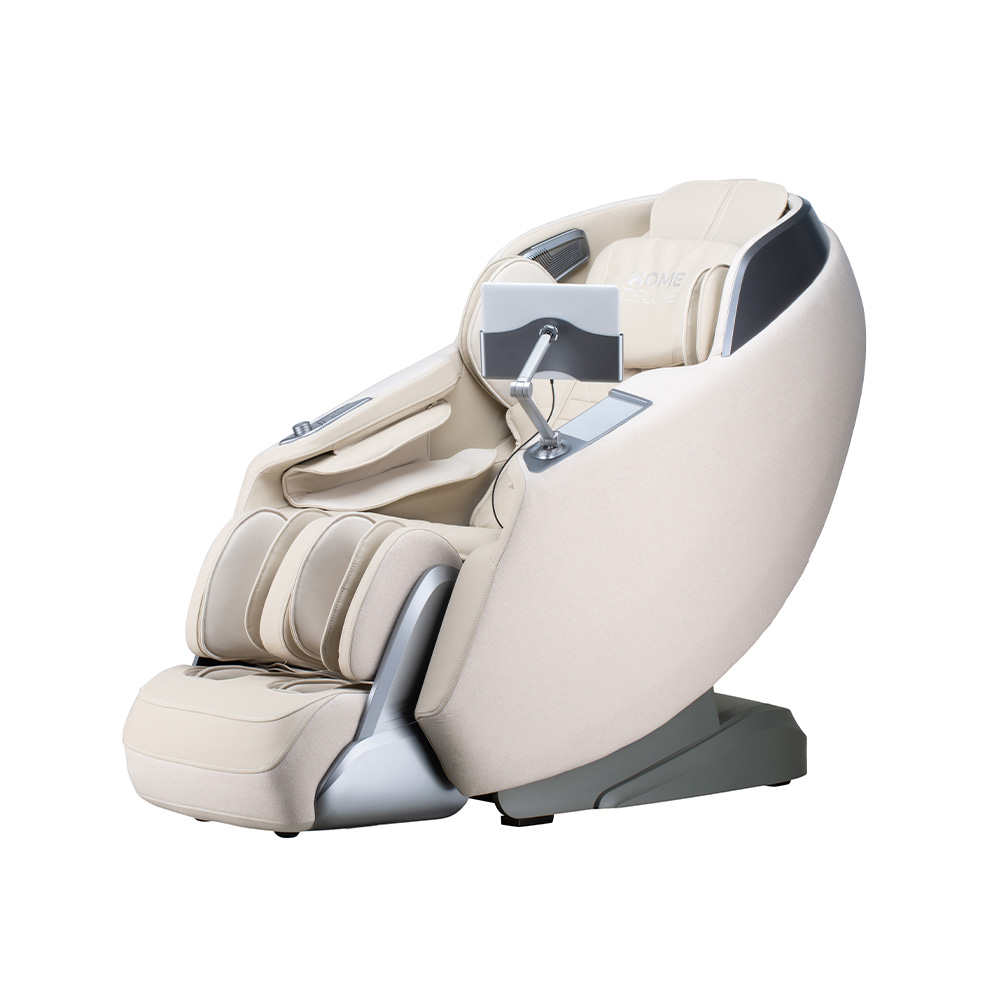
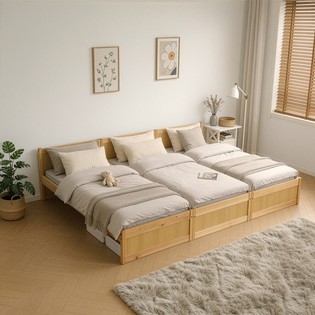
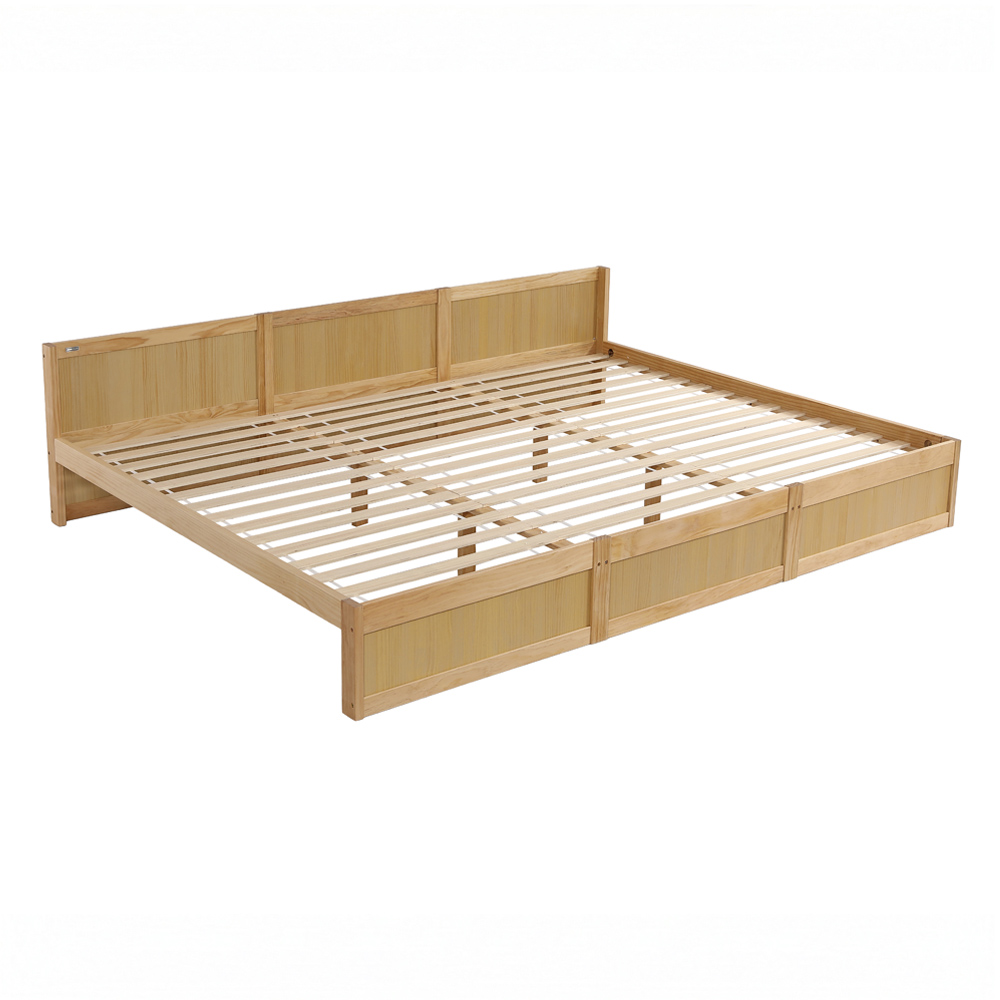
A good example is our range of beds: models such as the DILAR family bed in a natural finish combine a calm look with a sturdy construction. A high-quality massage chair can also be a long-term investment – with proper care and repairs when needed, it can stay with you for many years. And when a piece of furniture does eventually reach the end of its time in your home, pass it on rather than throwing it away.
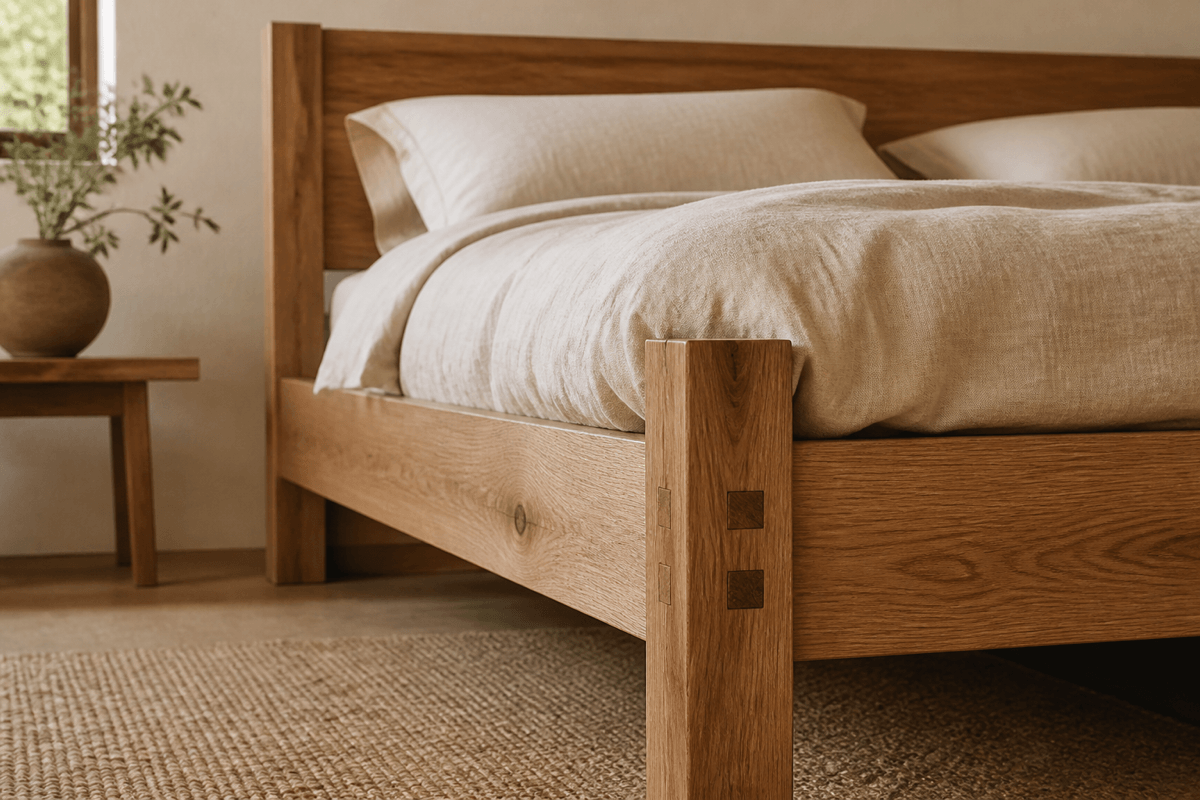
Solid wood bed with high-quality natural textiles in a bright bedroom
💡 Tip: Proper care can significantly extend the lifespan of your furniture. Oil wooden surfaces occasionally, vacuum upholstery regularly and treat stains straight away – helping your furniture stay looking good for years.

Made to Last: Furniture That Stays with You

Electrical Appliances: Repair Instead of Replace

Faulty appliances are far too often thrown away straight away, even though many can be repaired with relatively little effort. A repair is usually much cheaper than buying a replacement and helps prevent valuable raw materials from being lost. A professional repair typically follows these steps:

  1. Fault diagnosis: The cause of the problem is identified first – often only a single component is faulty, not the entire appliance.
  2. Professional repair: The affected part is replaced or repaired, ideally using original spare parts and with resources used as efficiently as possible.
  3. Quality check: Before the appliance is returned, it is tested to make sure it works reliably and safely again.
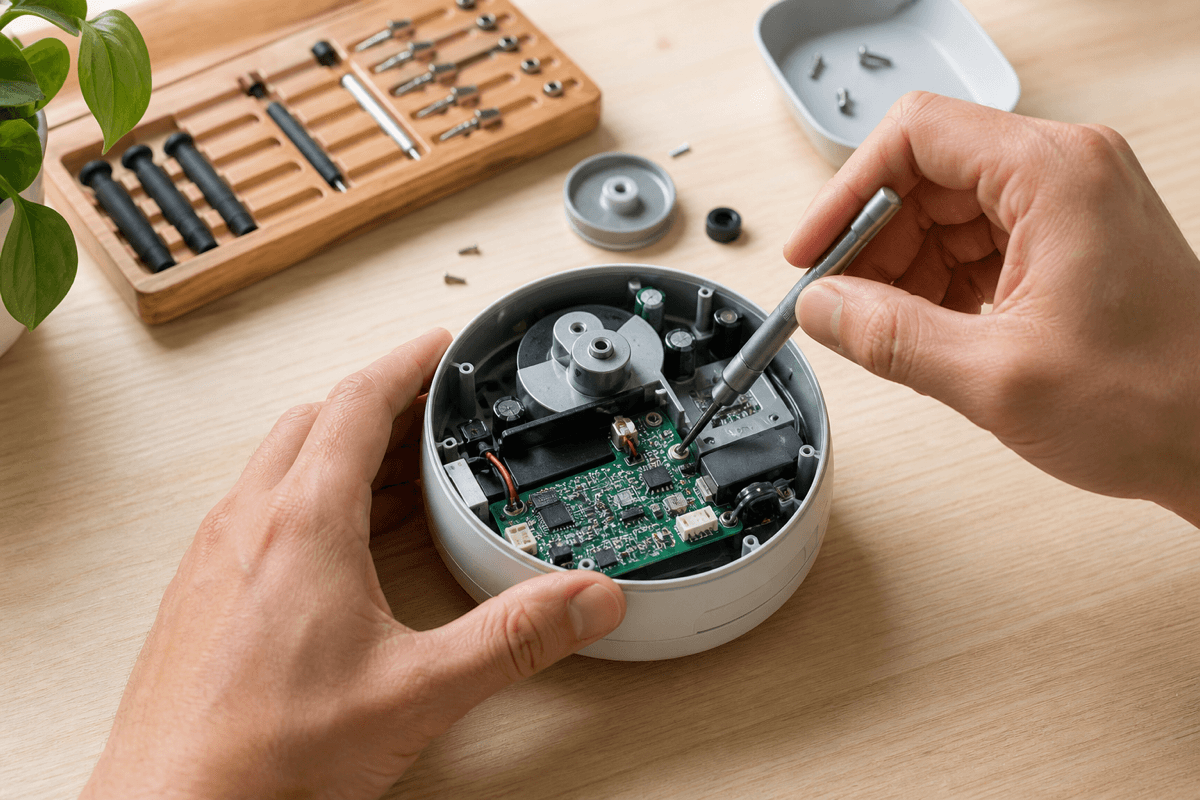
Hands repairing an electrical appliance with tools on a bright workbench
💡 Tip: Some German federal states offer repair bonus schemes that reimburse part of the cost. It can be worth checking the programmes available in your region – making repairs even more affordable.

And if an appliance really cannot be repaired? It should not go into general household waste. Instead, take it to a recycling centre or return it through an appropriate retailer – more on this in the waste sorting section below.

Big Purchases: Wellness Built to Last

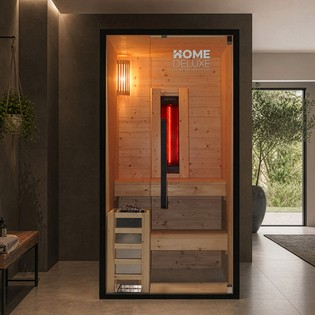
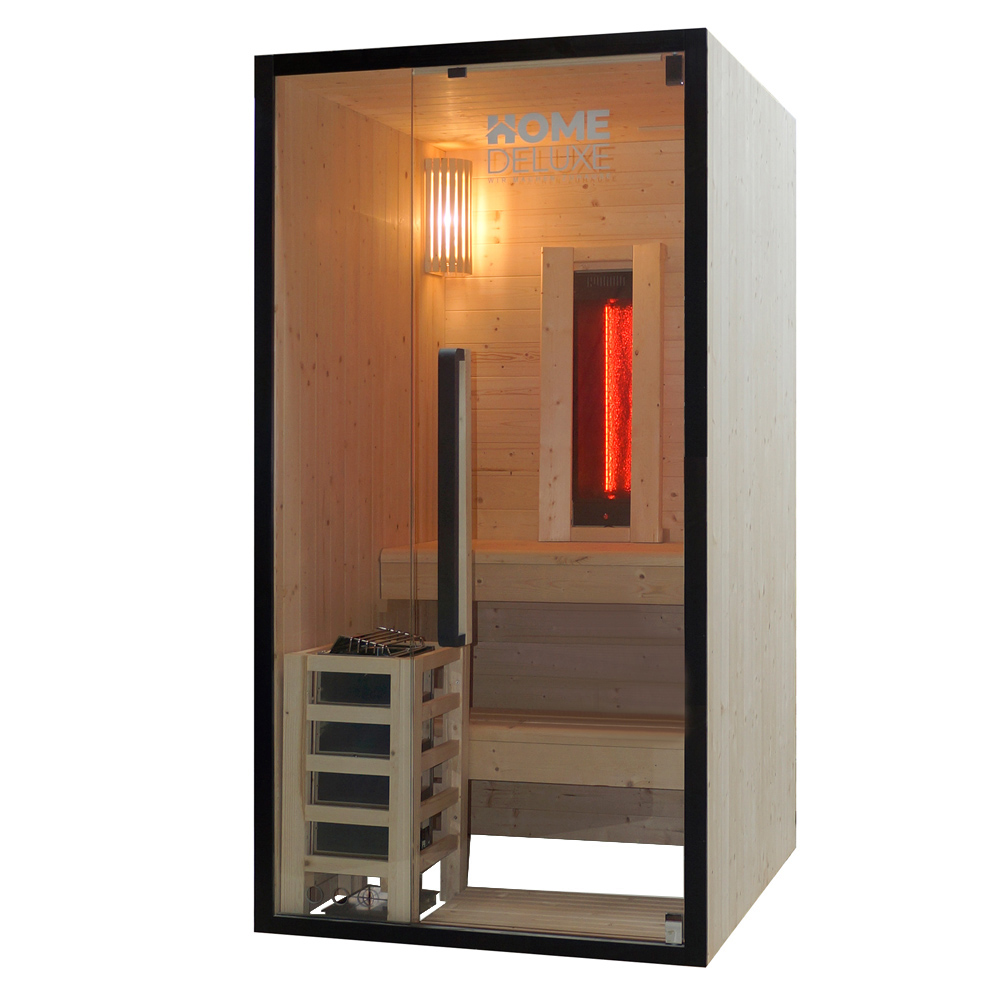
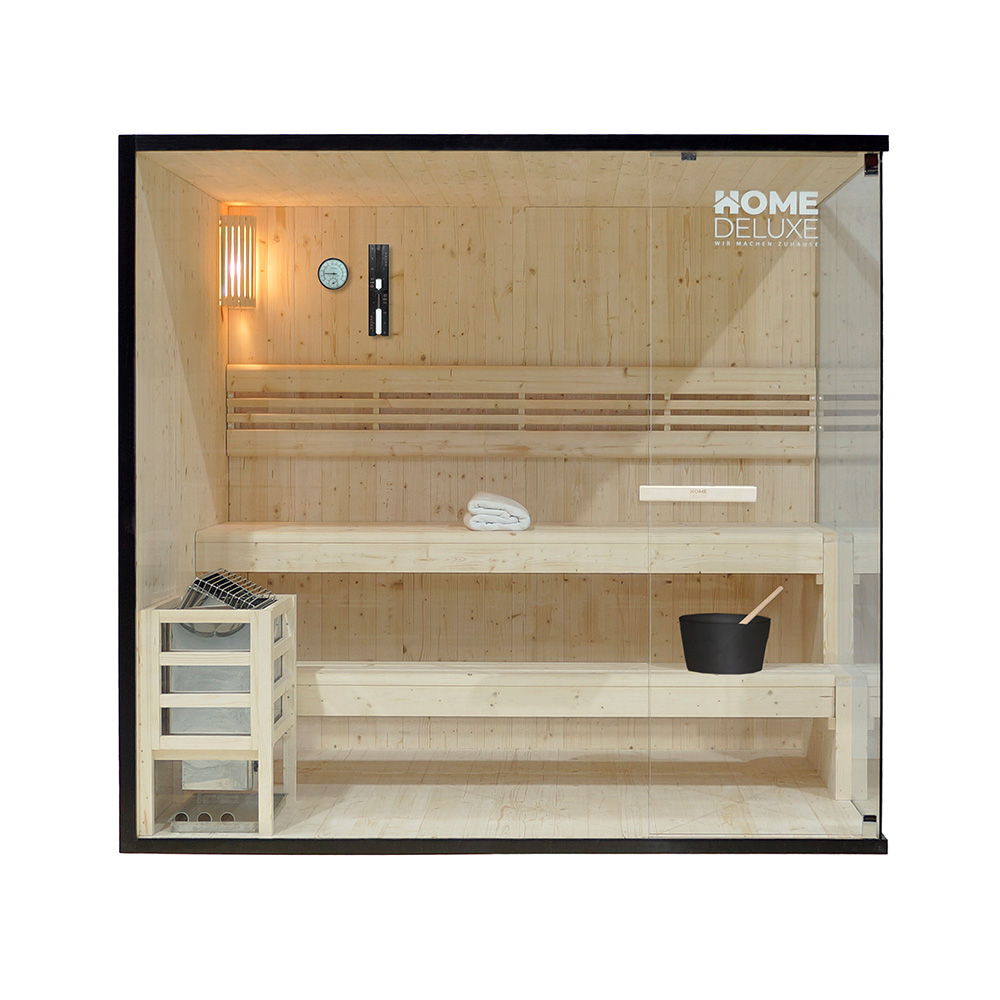
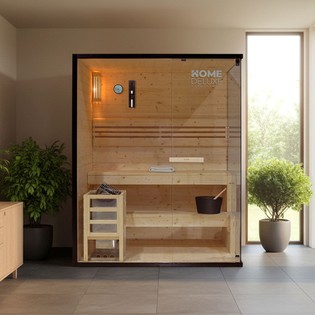
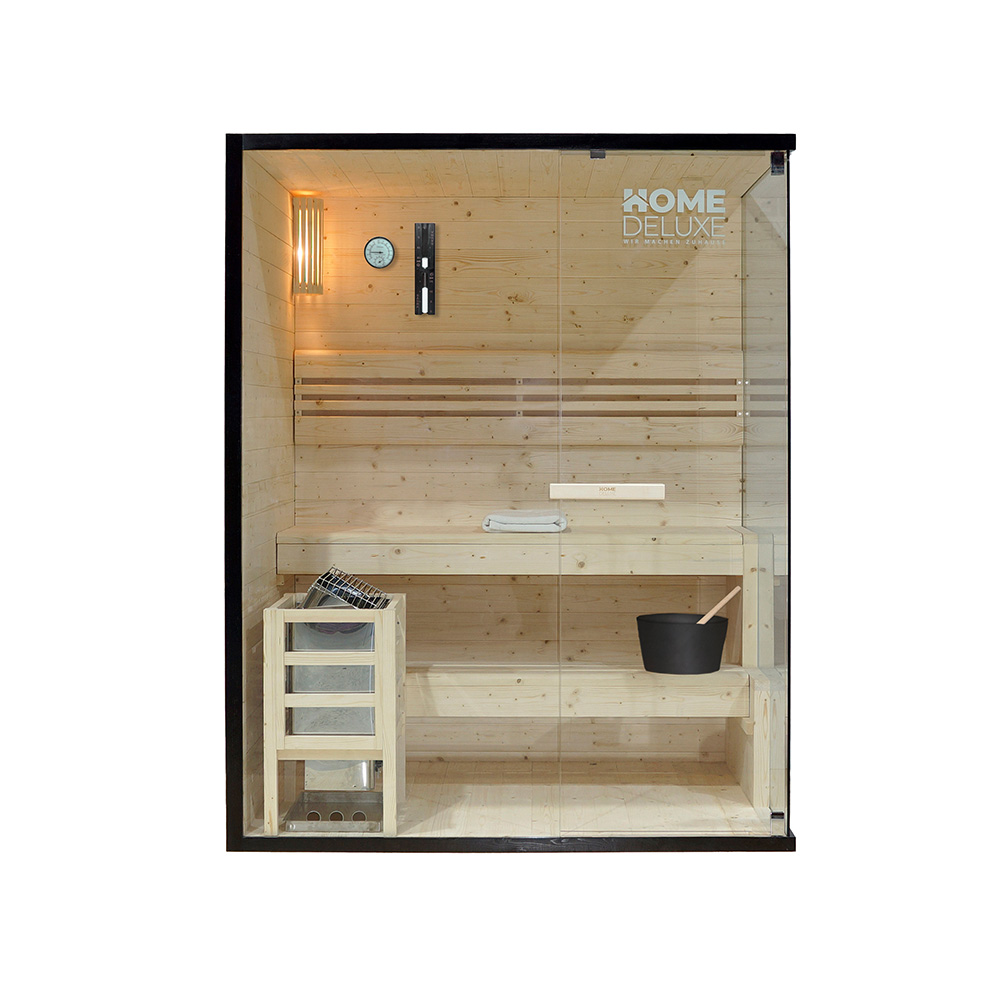
Sustainability pays off particularly well when it comes to larger purchases. A sauna or infrared cabin can be an investment for decades: high-quality solid wood can age beautifully, while components subject to wear, such as the sauna heater, can be replaced individually instead of replacing the entire cabin. Investing in quality once can save both money and materials in the long term.

Models such as our traditional SHADOW saunas, the LAHTI outdoor barrel sauna or the REDSUN range of infrared cabins are designed with durability in mind. With the right care – regular ventilation, protecting the wood and maintaining the technical components – they can stay with you for many years. Sustainable wellbeing is not about constantly buying something new, but about choosing the right product from the start.

Wellness That Lasts for Decades

Recycle Properly: Sorting Waste in Everyday Life

Recycling only works when recyclable materials are separated correctly. Even small mistakes – such as putting electrical appliances in general waste – can prevent valuable materials from being recovered. This overview can help you sort household waste correctly:

Bin / Material What Goes In What Does NOT Go In
Paper & CardboardNewspapers, cardboard boxes, paper packagingCoated paper, receipts, greasy cardboard
Yellow Bin / BagPlastic, metal & composite packagingNon-packaging plastic items, electrical appliances
Organic WasteFruit and vegetable scraps, coffee grounds, garden wastePlastic bags, “compostable” plastic bags
Waste GlassBottles & jars separated by colourDrinking glasses, mirrors, ceramics, porcelain
General WasteNon-recyclable waste, hygiene productsRecyclable materials, batteries, electronic waste
Recycling Centre / Take-Back PointElectrical appliances, batteries, bulky waste, hazardous wasteNormal household & packaging waste
⚠️ Common mistake: Electrical appliances and batteries should never be placed in general household waste. Small electrical items can often be returned free of charge to retailers or taken to a recycling centre. Local rules may vary, so check with your local authority if you are unsure.

Sustainable Outdoors: A Garden Made to Last
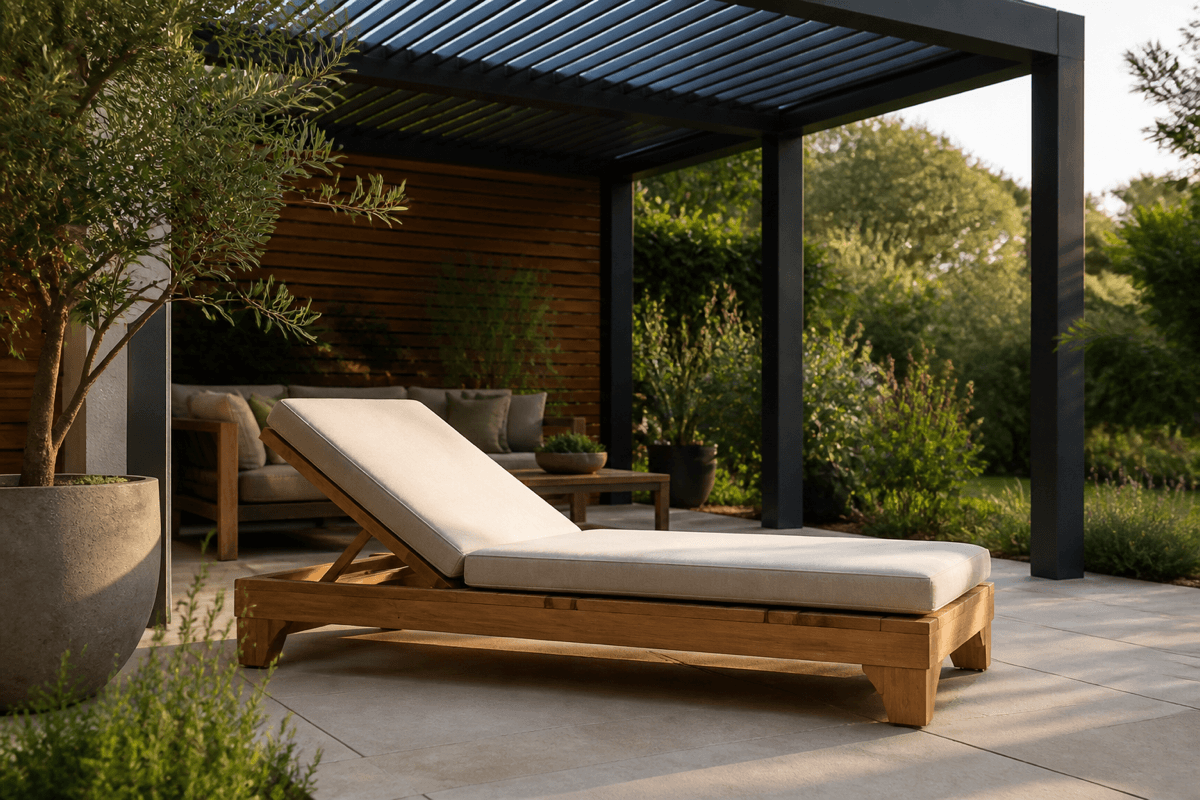
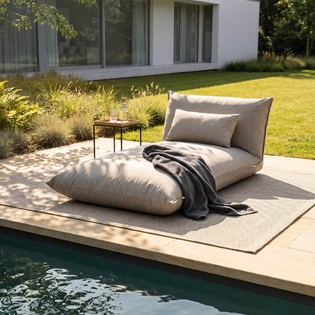
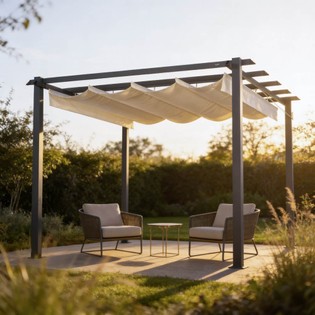
Durable solid wood garden furniture on a well-kept patio

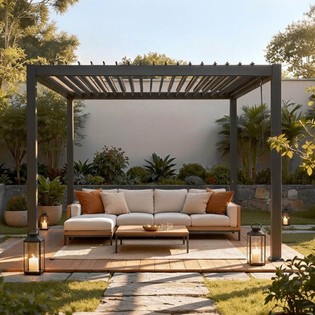
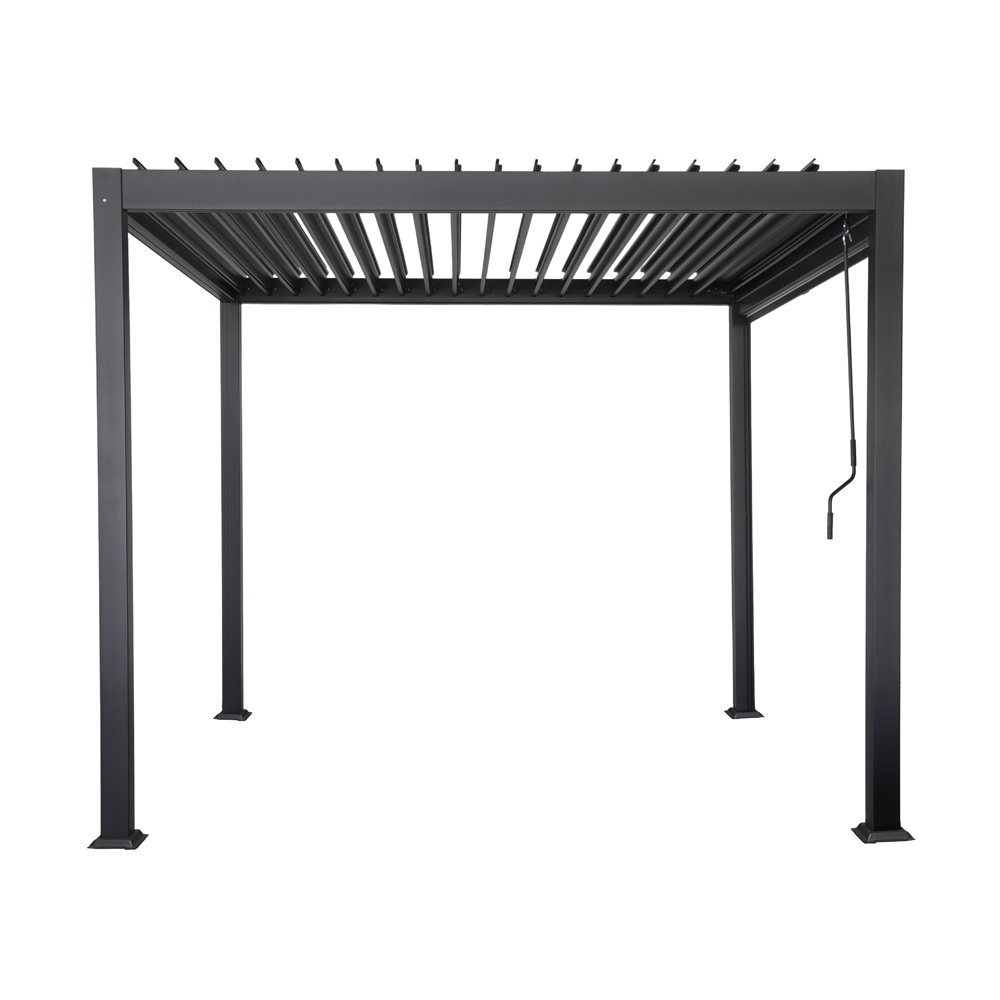
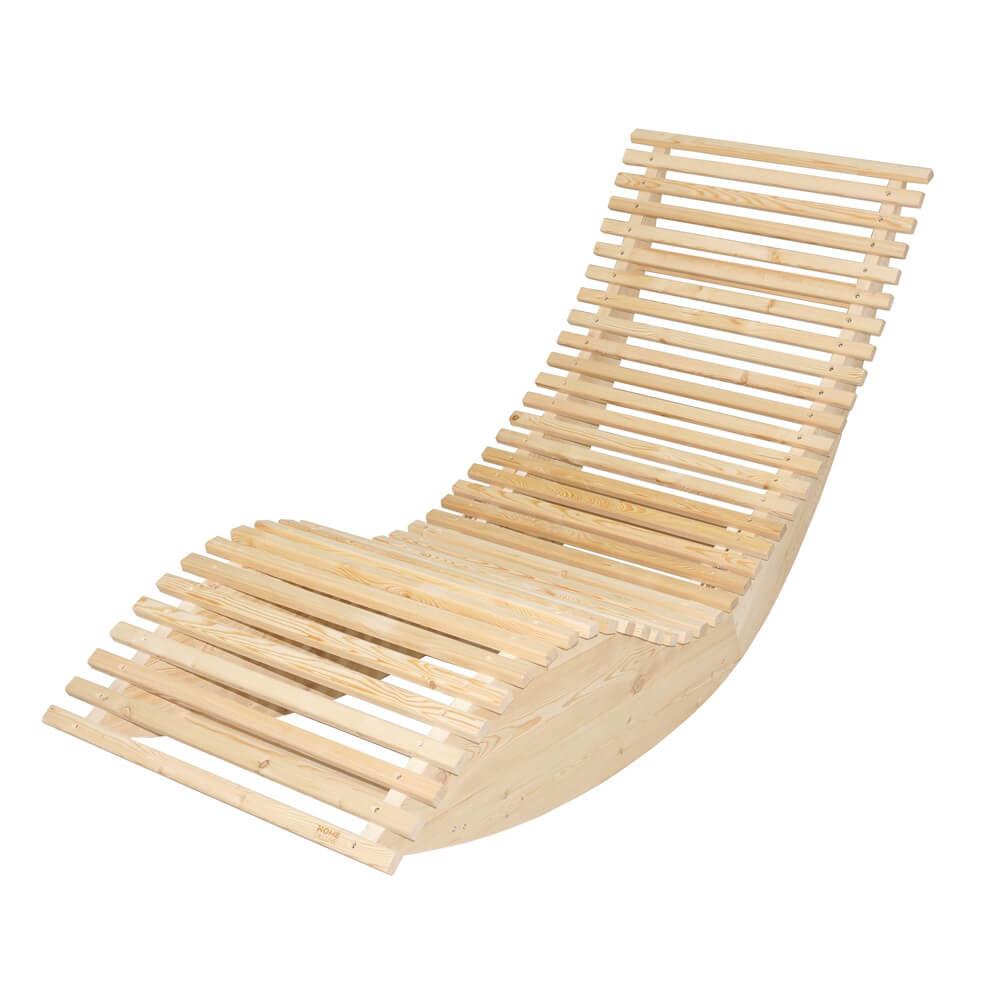
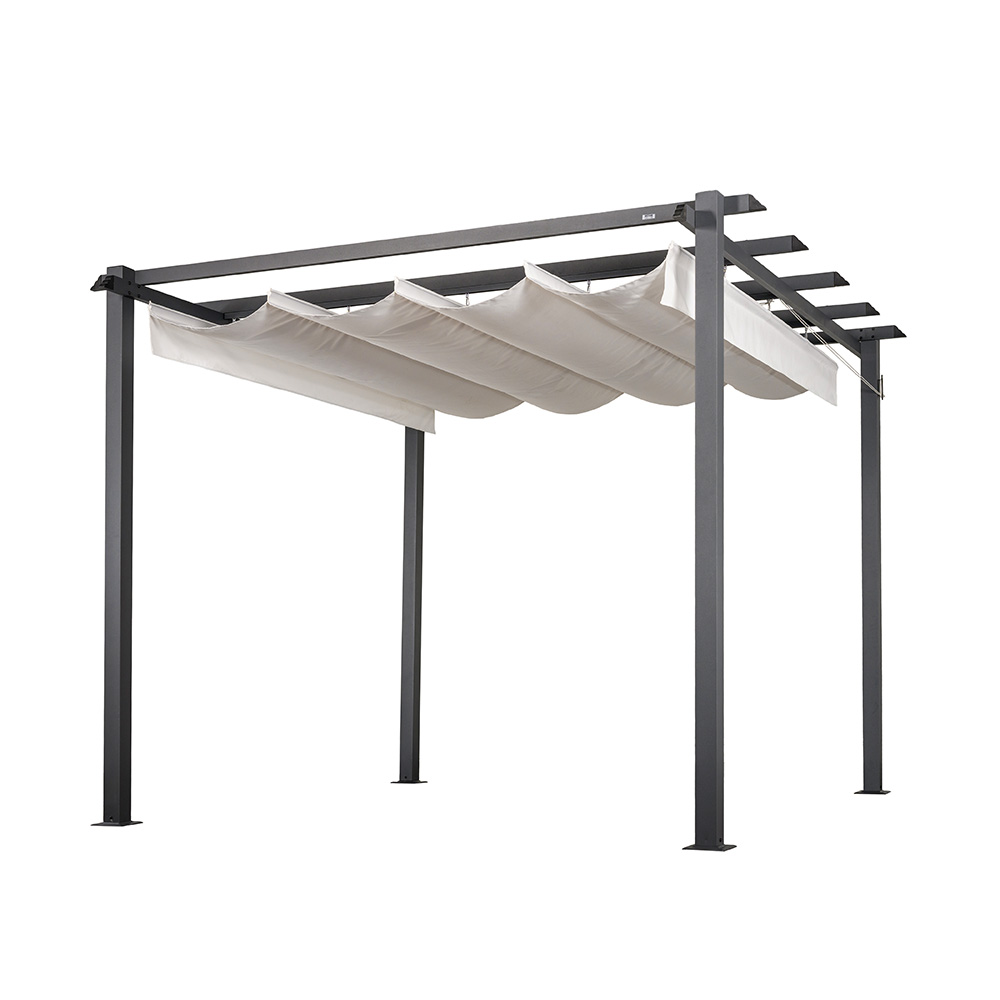
Outdoors, weather resistance matters more than ever. Garden furniture and shelters made from solid wood, powder-coated aluminium or stainless steel can withstand sun, rain and frost for many seasons. In our garden range, you will find durable favourites such as the ROVAS aluminium louvred pergola and the WOLGA solid wood wave lounger.

With a little care, they can last even longer: oil wooden surfaces once a season, wipe metal surfaces dry and store textiles in a protected place over winter. A good cover provides additional protection from the weather – helping your garden furniture become a long-term investment rather than something that needs replacing after just a couple of years.

Sustainable Outdoors: A Garden Made to Last

Sustainable Shopping: The Checklist

When you need to buy something new, your choice can shape its environmental impact for years to come. These six questions can help you make a more sustainable decision:

  • Do I really need it? Start with the most honest question – it can often save you from making the purchase altogether.
  • Is it well made? Solid materials and high-quality construction generally last longer than cheap disposable alternatives.
  • Can it be repaired? Are spare parts and servicing available? Repairability can significantly extend a product’s lifespan.
  • Is the design timeless? Products you still like in ten years’ time are less likely to be replaced prematurely.
  • What materials is it made from? Solid wood, metal and recyclable materials are often more durable and easier to recycle.
  • What are the warranty and reviews like? A long warranty and positive experiences from other customers can be strong indicators of quality.

Frequently Asked Questions (FAQ)

What does sustainable living actually mean?
Sustainable living means using resources consciously: choosing durable products, repairing and reusing items instead of throwing them away, and recycling valuable materials correctly. It is not about going without, but about making smarter decisions that are better for both the environment and your wallet.
Is repairing something still financially worthwhile?
In many cases, yes. A repair is often significantly cheaper than buying a replacement, especially for larger pieces of furniture and appliances. Some German federal states also offer repair bonus schemes that reimburse part of the cost.
What should I do with old electrical appliances?
Electrical appliances should never be placed in general household waste. Small appliances can often be returned free of charge to retailers or taken to a recycling centre, while larger appliances are frequently taken back by retailers when a new product is delivered. This helps keep valuable raw materials in circulation.
How can I recognise durable furniture?
Look for solid materials such as solid wood or metal, high-quality workmanship, sturdy joints and available spare parts. A timeless design and a long manufacturer’s warranty can also be good indicators of quality.
What happens to my old appliance when it is recycled?
Electrical appliances collected through proper recycling channels are dismantled, hazardous substances are disposed of correctly, and valuable raw materials such as copper, aluminium and plastics are recovered. These materials can then be returned to production, reducing the need for newly extracted raw materials.

Conclusion: Sustainability Starts at Home

Sustainable living is not about making major sacrifices, but about developing smarter habits: buying consciously, choosing quality, repairing instead of replacing and separating recyclable materials correctly. Every one of these decisions helps conserve resources – and often saves money too. Investing in durable furniture, wellness products or garden furniture means you can benefit from them for many years while reducing their environmental impact.

Would you like to furnish your home with sustainability and durability in mind? Discover our range of high-quality products designed to last for years.

Get €10 Off

Sign up for our newsletter and save €10 on your next order when you spend €150 or more.

Sign Up for the Newsletter
{ "@context": "https://schema.org", "@graph": [ { "@type": "BlogPosting", "@id": "https://www.homedeluxe.de/en/news-and-trends/green-choice/sustainable-living/#article", "mainEntityOfPage": { "@type": "WebPage", "@id": "https://www.homedeluxe.de/en/news-and-trends/green-choice/sustainable-living/" }, "headline": "Sustainable Living: Recycling, Repair & Durability", "description": "Sustainable living instead of throwing things away: save money and protect the environment through repair, recycling and long-lasting quality. A practical guide with tips and a checklist.", "image": "https://cdn02.plentyone.com/emoguafh21bo/frontend/BLOG/Recycling/nachhaltig-wohnen_titelbild.png", "inLanguage": "en-GB", "datePublished": "2026-10-02T09:00:00+02:00", "dateModified": "2026-10-02T09:00:00+02:00", "author": { "@type": "Organization", "name": "Home Deluxe Editorial Team", "url": "https://www.homedeluxe.de/en/shop/our-team/" }, "publisher": { "@type": "Organization", "name": "Home Deluxe GmbH", "url": "https://www.homedeluxe.de/en/", "logo": { "@type": "ImageObject", "url": "https://cdn02.plentyone.com/emoguafh21bo/frontend/BLOG/Allgemein/HD_logo.jpg" } } }, { "@type": "FAQPage", "@id": "https://www.homedeluxe.de/en/news-and-trends/green-choice/sustainable-living/#faq", "mainEntity": [ { "@type": "Question", "name": "What does sustainable living actually mean?", "acceptedAnswer": { "@type": "Answer", "text": "Sustainable living means using resources consciously: choosing durable products, repairing and reusing items instead of throwing them away, and recycling valuable materials correctly. It is not about going without, but about making smarter decisions that are better for both the environment and your wallet." } }, { "@type": "Question", "name": "Is repairing something still financially worthwhile?", "acceptedAnswer": { "@type": "Answer", "text": "In many cases, yes. A repair is often significantly cheaper than buying a replacement, especially for larger pieces of furniture and appliances. Some German federal states also offer repair bonus schemes that reimburse part of the cost." } }, { "@type": "Question", "name": "What should I do with old electrical appliances?", "acceptedAnswer": { "@type": "Answer", "text": "Electrical appliances should never be placed in general household waste. Small appliances can often be returned free of charge to retailers or taken to a recycling centre, while larger appliances are frequently taken back by retailers when a new product is delivered. This helps keep valuable raw materials in circulation." } }, { "@type": "Question", "name": "How can I recognise durable furniture?", "acceptedAnswer": { "@type": "Answer", "text": "Look for solid materials such as solid wood or metal, high-quality workmanship, sturdy joints and available spare parts. A timeless design and a long manufacturer’s warranty can also be good indicators of quality." } }, { "@type": "Question", "name": "What happens to my old appliance when it is recycled?", "acceptedAnswer": { "@type": "Answer", "text": "Electrical appliances collected through proper recycling channels are dismantled, hazardous substances are disposed of correctly, and valuable raw materials such as copper, aluminium and plastics are recovered. These materials can then be returned to production, reducing the need for newly extracted raw materials." } } ] } ] }
Our partners for sustainable development

Newsletter
Yes, I want to stay up to date with new products, news and offers. Please send me a newsletter.
I hereby confirm that I have read the Privacy policy. I can revoke my consent at any time.
Your 10€ welcome discount

With our newsletter you are always up to date! And as a thank you for subscribing to our newsletter, you will receive a €10 voucher for your next purchase.***

You agree that your data will be used to send you our newsletter. The newsletter can be cancelled at any time. Further information and cancellation notices can be found in our privacy policy.

function hideNLpop() { localStorage.setItem('showNLpop', 'false'); $('.nl-pop').removeClass('is-visible'); } function placeholder() { $('.nl-pop input[type="email"]').attr('placeholder','Your e-mail address'); $('.nl-pop button[type="button"]').text('Register now'); $('.nl-pop form label[for^="email-input-id_"], .nl-pop form .row .col-12.text-right.small.mt-2').remove(); } if(!localStorage.getItem('showNLpop')) { setTimeout(function () { $('.nl-pop').addClass('is-visible'); }, 8000); } setTimeout(function () { placeholder() }, 7990);
Location, language and currency settings
Select your delivery country to view the corresponding shipping costs and delivery times.
 Country of delivery
 Language (EN)
  German   Bulgarian   French   Italian   Spanish   Turkish   Dutch   Polish   Portuguese   Norwegian   Romanian   Danish   Swedish   Czech